The Allure of Risk and Reward
The psychology of gambling heavily revolves around the allure of risk and the potential for significant rewards, which is often exemplified by those who seek out the best online casino experiences. This fascination with risk can often stem from the thrill of uncertainty. When individuals engage in gambling activities, they experience a rush of adrenaline that can be highly addictive. This heightened emotional state can lead to a sense of euphoria, particularly when a win occurs, creating a cycle where gamblers continuously seek that exhilarating feeling through repeated play and engagement with various games of chance.
Additionally, the concept of risk-taking is deeply rooted in human behavior and societal norms. Many people are inherently drawn to situations that offer the possibility of high rewards, despite the inherent dangers involved. This can be traced back to evolutionary psychology, where taking calculated risks could lead to greater resource acquisition. In modern contexts, the same psychological principles apply; the excitement of potentially losing everything can be just as enticing as the joy of winning, making it a complex emotional experience for many players.
Furthermore, cognitive biases play a significant role in how individuals perceive risk in gambling. Many gamblers fall victim to the illusion of control, where they mistakenly believe they can influence the outcome of games of chance through skill or strategy. This leads to irrational decision-making and a propensity to take greater risks, as individuals feel empowered by their perceived abilities, rather than acknowledging the randomness of the events they are engaging in. This cognitive distortion can have profound implications on their gambling behavior and overall mental health.
Emotional Triggers in Gambling
Emotions are a fundamental aspect of gambling behavior, influencing decisions and risk tolerance. For many gamblers, the thrill of the game is often accompanied by an emotional rollercoaster, where joy and despair frequently intertwine. The anticipation of a potential win can trigger feelings of excitement and hope. Conversely, the experience of loss may lead to frustration and desperation, prompting individuals to chase their losses by taking even greater risks, thereby creating a vicious cycle that can lead to financial ruin.
Moreover, the environment in which gambling occurs contributes significantly to emotional responses. The ambiance of a gambling establishment, with its vibrant lights, sounds, and the presence of other players, can heighten emotional reactions. This stimulating atmosphere encourages individuals to take risks they might avoid in calmer settings, as the collective energy catalyzes their desire to win. Emotional arousal in such environments can create a feedback loop that motivates continued play despite unfavorable odds, which can further exacerbate risk-taking behaviors.
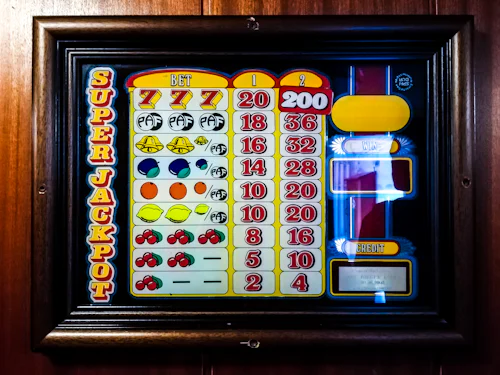
Finally, the role of social influences cannot be overlooked. Peer pressure or social validation can heighten the urge to gamble. When individuals are surrounded by others who are taking risks, they may feel compelled to join in, often overlooking their personal limits. This phenomenon is particularly evident in group settings, where the risk of social exclusion can drive people to make decisions they might not consider independently. This social dynamic complicates the emotional landscape of gambling behavior, often leading to regret and deeper issues related to self-control.
Understanding Gambling Addiction
The psychological drivers behind gambling can lead to significant issues, including gambling addiction, which is characterized by an inability to control or stop gambling despite negative consequences. This addiction is often rooted in the brain’s reward system, which is stimulated by the highs associated with winning and the emotional relief that follows a losing streak. Over time, this can create a dependency similar to substance abuse, where individuals gamble not solely for pleasure but to escape from reality or cope with stressors in their lives.
Additionally, the cycle of addiction is reinforced by intermittent reinforcement, a concept from behavioral psychology. Gamblers experience wins sporadically, which keeps them engaged, as they believe they will hit another big win. This unpredictability can magnify the emotional highs and lows associated with gambling, making it difficult for individuals to recognize the need for change, as their focus is often on the next potential win rather than the escalating risks involved. This cycle can lead to a gradual erosion of personal relationships and financial stability.
Support systems and treatment options for gambling addiction are essential for helping individuals regain control over their lives. Cognitive-behavioral therapy (CBT) is one effective strategy that targets the thought patterns contributing to gambling behavior. This approach assists individuals in identifying irrational beliefs, such as the illusion of control, and replaces them with healthier coping mechanisms. The road to recovery can be challenging, often requiring professional help, but it is vital for those seeking to break free from the psychological chains of gambling addiction and improve their quality of life.
The Role of Luck and Superstition in Gambling
Luck plays an integral role in gambling, often leading players to develop superstitions that they believe influence their outcomes. Many individuals engage in rituals, such as carrying lucky charms or following specific routines before placing bets. This behavior can be analyzed through the lens of psychological conditioning, where individuals associate certain actions with positive outcomes, reinforcing their belief in luck’s power over their success. Such beliefs can create a false sense of security, further entrenching their gambling habits.

Moreover, the randomness of many gambling games creates fertile ground for these superstitions to flourish. When players experience a win after performing a particular action or wearing a specific item, they are likely to repeat these behaviors in future games, believing they increase their chances of winning. This can lead to a cycle where the gambler attributes their losses to a failure to adhere to their rituals, deepening their reliance on superstition as a coping mechanism in the face of chance. Such patterns can distort reality and perpetuate gambling addiction.
The psychological implications of luck and superstition extend beyond individual beliefs; they can also shape collective gambling culture. In different regions and among various communities, unique superstitions or beliefs about luck can influence how people approach gambling. Understanding these cultural nuances can provide insight into the broader psychological factors at play in gambling, revealing how deeply rooted these beliefs can be in shaping behavior and risk perception. Furthermore, this can highlight the importance of addressing these superstitions in gambling education and prevention efforts.
Insights from Gambling Research Websites
For those interested in deepening their understanding of gambling psychology, numerous research websites provide valuable insights and findings. These online platforms compile studies from reputable sources, offering analysis on trends, behaviors, and the psychological factors influencing gambling practices. By reviewing research reports, individuals can gain a comprehensive view of the complexities surrounding gambling behavior and the various psychological theories that explain it. This knowledge can be instrumental in fostering a more informed public discourse around gambling.
Furthermore, these resources often highlight the importance of responsible gambling practices. Understanding the psychological aspects of risk can empower individuals to make informed decisions about when to gamble and how much to bet. Educational materials provided by these sites can be instrumental in promoting awareness about addiction and fostering healthier gambling habits among users. They often provide tools and resources for self-assessment and help individuals recognize when their gambling may be becoming problematic.
In conclusion, the psychology of risk in gambling is a multifaceted domain that encompasses emotional, social, and cognitive components. By exploring the intricacies of this arena through reputable research websites, individuals can not only enhance their personal understanding but also cultivate a responsible approach to gambling that prioritizes mental well-being and informed decision-making. Engaging with these resources encourages a culture of awareness and accountability, ultimately benefiting both individuals and society as a whole.