Articles by Bo Mackison

Beginning to Blossom – A Lesson from the Desert

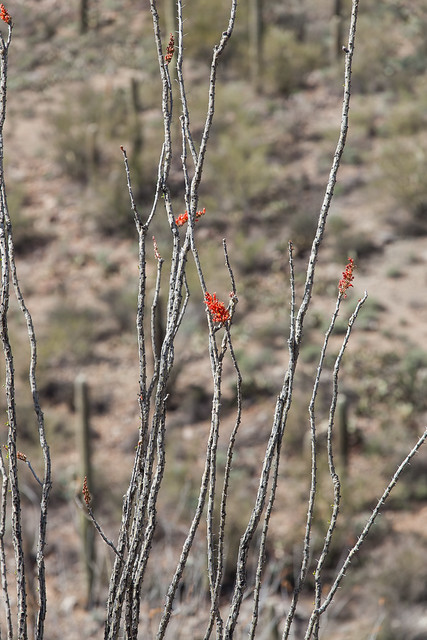
Barely Blooming - Ocotillo in the Sonoran Desert

Barely Blooming – Ocotillo in the Sonoran Desert © 2014 Bo Mackison

Usually, when the distractions of daily life deplete our energy, the first thing we eliminate is the thing we need the most: quiet, reflective time. Time to dream, time to contemplate what’s working and what’s not, so that we can make changes for the better. ~ Sarah Ban Breathnach

I go to the desert. Walking in the canyon, deeper into the wilderness, away from the few others who are also roaming the desert. I sit on a rock outcropping, settle into the earth. Before I take photographs, I take the time to contemplate my surroundings. It is winter in the desert, there is little color in the desert. Only a few blossoms, the earliest flowers, add a touch of color to a world of muted greens and grays. The time of first awakenings. It is during this time of contemplation that I discover not only the essence of place, but also my place.
The Essence of Place – Defined

Palo Dura Canyon

Palo Dura Canyon Abstract © 2014 Bo Mackison

Buy Soma Online The Essence of Place, Defined

source Essence of Place: A limited selection of photographs that, when combined, offer a unique glimpse into a place. The mood or emotion portrayed in the place is emphasized, and included are elements that are unique to the area. People also can be included to illustrate culture or connection.

Buy Zopiclone 7.5 Mg Online Abstract. An abstract uses form, texture and color. Emphasis is more on the composition and less on the subject.

see url Landscape:  The term landscape represents a segment of nature from a single point of view. It encompasses land, and can also include animals, buildings, and people. https://anthonynewmancamps.com/tennis-camps/

https://www.completerehabsolutions.com/employee-education-training/ Intimate Landscape: Photographs typically do not include a horizon line, or when the horizon is present, conveys only a hint of where the image is photographed. The grandeur of nature is captured in a smaller space. Less is more.

here Still Life: A photo which depicts inanimate subjects. Includes common objects in nature, such as rocks, sticks, leaves. Simplicity is key.

https://www.completerehabsolutions.com/contact/ Macro-Photography: A close-up image of a subject. Technically, the image is at a 1:1 ratio (life-size) or larger, magnified up to 5 times the life-size image.

https://www.wjsmithconstruction.com/about-us/ Wabi-Sabi:A Japanese aesthetic of things imperfect, impermanent, and incomplete…” ~ Leonard Koren. Includes objects connected to the earth: rustic materials, rich in raw texture; effects of weathering and aging by sun, wind, heat, cold; rusty, tarnished, warped, cracked or peeling surfaces; faded colors, muddy tones, or grays/blacks; simple, yet poetic. (source: Leonard Koren)

Combinations are also possible, such as:

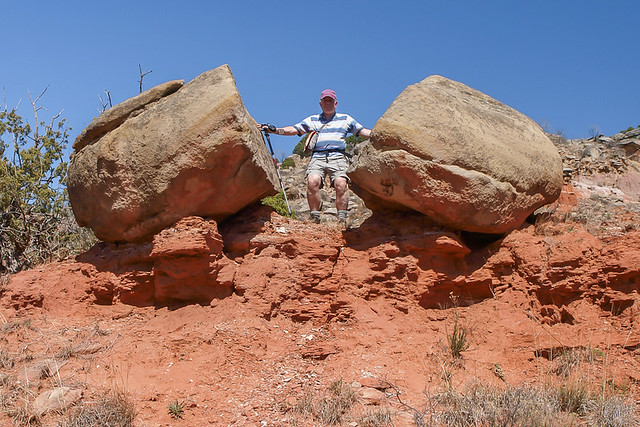
see Intimate landscape + portrait: A portrait of a person or animal which includes landscape to provide a context for the subject, or defines a landscape by contrasting the human perspective in a natural setting.

To capture the essence of place, I did some basic research and pulled key words and concepts for which the region is particularly noted.

Here are my notes:

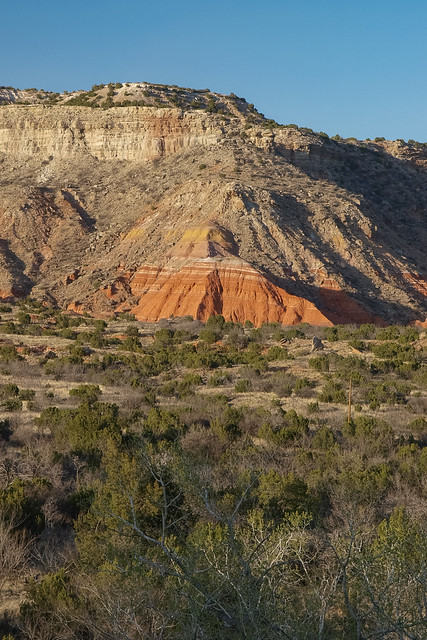
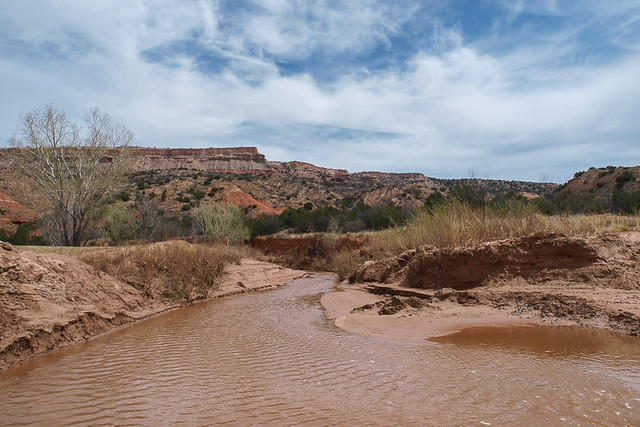
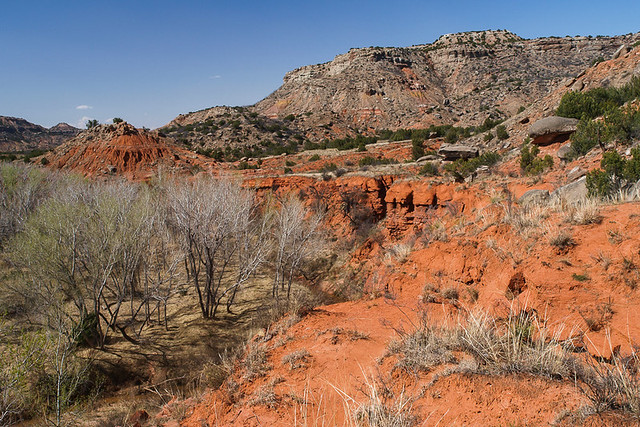
Palo Duro means “hard wood”. Southern high plains. Rim of canyon is shortgrass prairie, canyon floor has more trees, shrubs, tall grasses. Canyon is 800 feet deep, formed by erosion from Prairie Dog Town Fork of Red River. Rock layers of gypsum (white) and claystone (red) and is called “Spanish skirts”. “Grand Canyon of Texas” – second largest canyon in US. Erosion shaped lands, caps of erosion resistant sandstone creating mesas, pinnacles, buttes.

https://thelonelycreative.com/wishlist/ Landscapes:

P4141510

Palo Duro Canyon © 2014 Bo Mackison

Palo Duro Canyon

“Spanish Skirts” © 2010 Bo Mackison

P4141433

Prairie Dog Town Fork of Red River  © 2014 Bo Mackison

Intimate Landscape:

Palo Dura Canyon

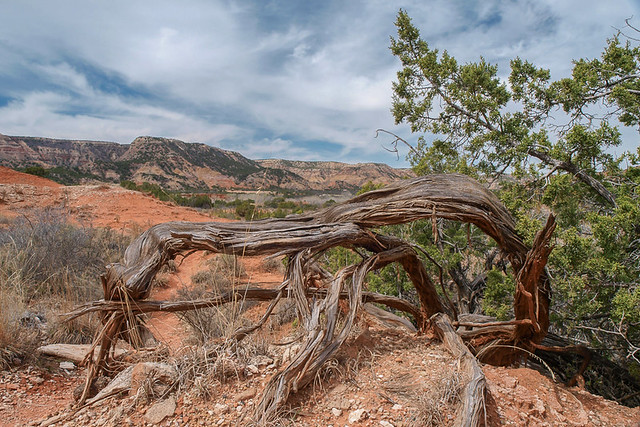
Juniper Tree in Red Canyon © 2014 Bo Mackison

Intimate Landscape + Portrait:

Palo Dura Canyon

Karate Chop © 2014 Bo Mackison

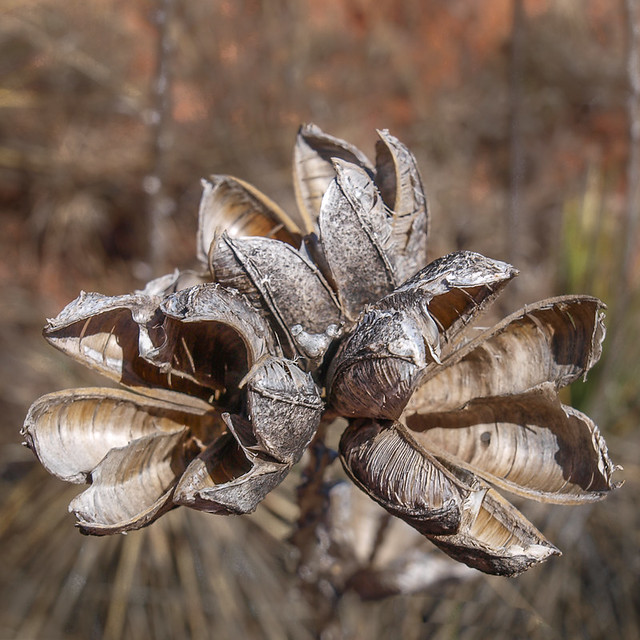
Macro.

P4141459

Yucca Seed Heads © 2014 Bo Mackison

Still life.

Palo Dura Canyon

Red Earth © 2014 Bo Mackison

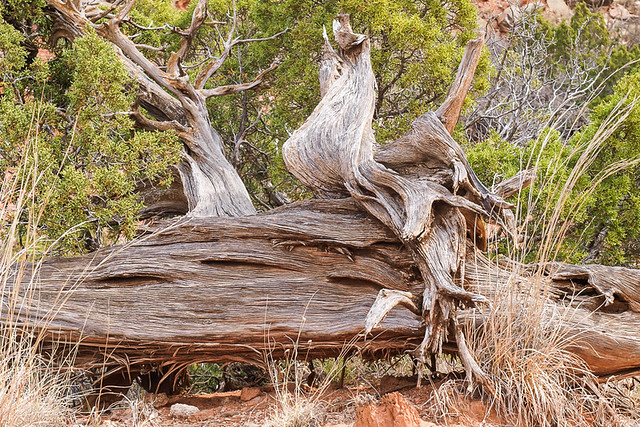
Wabi sabi.

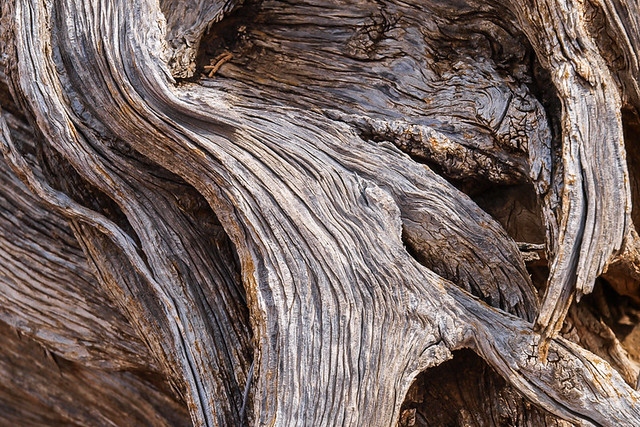
P4141389

Twisted Wood © 2014 Bo Mackison


Writing Your Life Story Part 11: Travel and Memoir

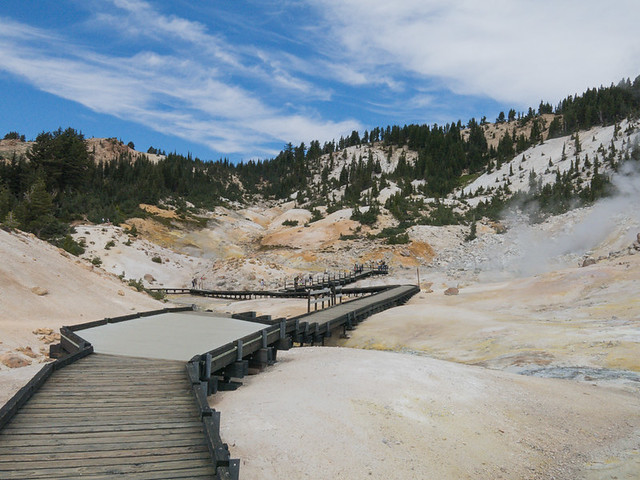
Wandering in Bumpass Hell

Lassen Explores © 2013 Bo Mackison

Travel is on my mind.

Recently I’ve been consulting maps, researching places to visit, adding up miles for potential drives, and making camping reservations in parks throughout the American West. And last year I traveled over 5,000 miles and visited a twenty National Parks. So it is no wonder that travel would show up in a memoir project.

Travel memoirs come in all sizes and shapes.

A weekend exploring the jazz scene in the big city. A week rafting the Grand Canyon with fellow adventurers. A month touring wine country in Italy and learning the trade from vintners. All kinds of travel can provide moments worth writing about, worth capturing for posterity.

I have found in the past, though, that trying to recall travel memories can be unexpectedly difficult. After taking long vacations each year with my family for nearly a decade, our itineraries seemed to be hopeless puzzles. We had lots of memories, but often we remembered events and places differently, or not at all.

A few years ago I decided to begin taking notes during my trip for future reference, but I knew I’d sometimes not have time or inclination to write in a daily travel journal. Still, I needed a routine.

I came up with various techniques for documenting where I go and what I do when traveling.

Here are a few techniques to try:

  • I discovered, while driving cross-country, we had many questions about the areas we drove through, but we would forget to look up the answers. Once I realized this, I found an easy solution. I purchased an up to date atlas when we took trips involving lots of driving time and destinations. As I checked directions and followed the map, I wrote any questions we asked on the map itself. When we had questions about the Nebraska Sandhills, I wrote our questions near the sandhills location on the map.  When we wanted to know the difference between a wash and an arroyo, I wrote the question in the margin of the Arizona state map.
    • All of the questions were in one easy, accessible place, and once we returned home, we spent an evening looking up the answers on the internet. And as an added bonus, we answered the questions on the map, and added the annotated map to out vacation memorabilia.
  • It is also easy to highlight your route in the atlas or on a map with a bright-colored marker, add dates, even write notes about campgrounds, hotels, restaurants, tours, museums, parks, etc.
  • When traveling, tour brochures or city guides are easy to collect, but also easy to misplace. I now pack an empty tote bag, and whenever we pick up information, the travel papers all go in one place. Not only is there less clutter, but all the information is in one place when we arrive home. Then it is easy to refer to the various maps and guides when I need information at a later time.
  • I take photos of information signs, hotel and restaurant names, and other interpretive signs. Since I always carry a camera, especially on hikes or tours, I find this an easy way to capture names, places, and information I might otherwise forget.

Travel adds a special dimension to our lives, but with new activities and sights packed into a short time, it is easy to forget the details.

Taking a few moments to jot down new information on a map, collect brochures, or photograph important signs will give you plenty of memory joggers when it is time to capture your experiences in writing.

Bookmaking in the Sonoran Desert – Featuring Prickly Pear Cactus

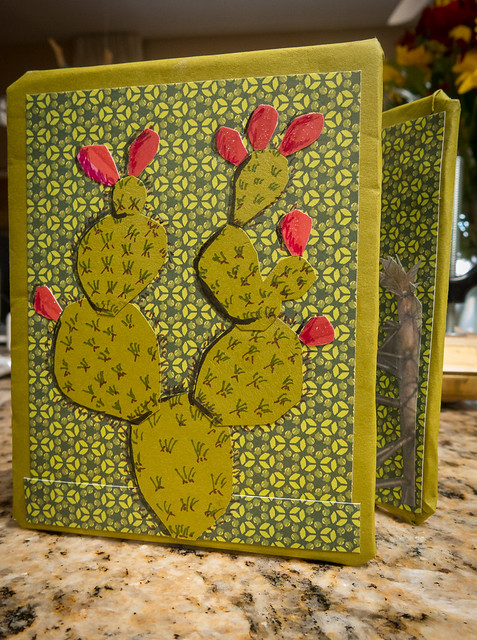
Prickly Pear Book - Cover

Prickly Pear Book – Cover © 2014 Bo Mackison

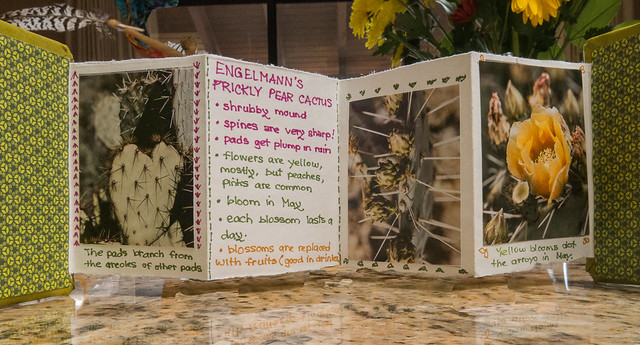
Second in the series of hand crafted books, exploring the Sonoran Desert habitat. This accordion book features the Engelmann’s Prickly Pear Cactus, the most common of prickly pears in the US Deserts.

Prickly Pear Accordion Book © 2014 Bo Mackison

Prickly Pear Accordion Book © 2014 Bo Mackison

I used photographs in this book. These photos were taken in the back arroyo, and I have the pleasure of seeing cacti covered with blooming yellow flowers every May.

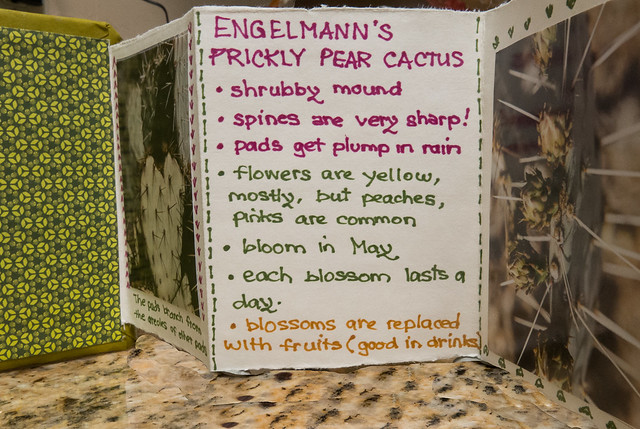
Prickly Pear Book - Text

Prickly Pear Book – Text © 2014 Bo Mackison

My intention with these books is to make a small collection of books focusing on the commonly seen plants, birds, and animals in the Sonoran Desert. Quick and easy, with simply done content. I used the accordion format for the first two books.

The first book in the series features the Greater Roadrunner.

Even a Pretty Fence is Still a Fence

Grill Work

A Pretty Fence is Still a Fence © 2012 Bo Mackison

Fear is the highest fence. ~ Dudley Nichols

There was a time I thought that fences kept people safe.

Fences also kept gardens safe from critters and animals safe from speeding cars traveling too fast on highways.

Then I listened to a woman who had moved from New York to a rural area in southeast Arizona. She was lamenting the cussedness of birds determined to feed from her green garden. That, despite the wire fences she had installed around the garden perimeter and the netting she had arched from the top of the fence – a roof of sorts – over her tempting vegetables.

I turned away to study the art in the gallery. I couldn’t help but smile as she told of the thieving Gambel’s Quails’ and Roadrunners’ antics as they dined four times a day, courtesy of her bountiful garden.

I imagined the birds’ antics as she described them in detail. “The quails fly straight up like a helicopter, then they squeeze between the wire fence and the netting, and land in the midst of the luscious greens.” She described how the roadrunners were the sneakiest trespassers of all, but their antics to get into this Fort Knox style vegetable garden surpassed my understanding.

However, the ex-Manhattan-stock-broker-turned-country-vegetable-gardener, apparently knew the secrets of those ransacking roadrunners who watched her from mid-garden as they nibbled their lunch, waiting until she was just close enough with a broom before disappearing.

Did the birds have no fear? Just instincts, determination, and a plan?

I wish I had been able to follow all the details, because I wanted to hear about the birds’ escapes. I’m not privy to how these intelligent birds had a their own passport to the private garden. But they apparently they had at least an equivalent.

There are few fences on the open range, even when roads pass through. There are cautionary signs — “Range Animals. Be Aware.” I seldom see an animal venture on the back roads I travel. They are in the thorn scrub and grasslands, eating whatever they can find. They don’t graze on dirt roads. I have seen cattle amble across a road, but never linger. Better to walk amidst the grasses and eat while roaming the scrub.

Perhaps I don’t need the fences I erect around myself to keep safe, either.

It feels better to have free range and not be cooped up in an imaginary safe place. After all, even surrounded by the best of fences, those that want to get in — quails and roadrunners, for example — have their ways.

And now back to the quote that started me thinking about fences on this clear morning in southern Arizona.

Fear is the highest fence. ~ Dudley Nichols