The Role of Luck in Gambling
Luck is a term often used in the gambling world to describe the unpredictable elements that can influence the outcome of games. Unlike skill-based activities, where expertise can greatly affect performance, gambling often appears to be a game of chance. This notion leads many to believe that luck is the primary factor that determines success in gambling, especially when engaging with platforms like 1win that offer a variety of games. However, luck is merely one aspect of a complex interplay of factors that include strategy, knowledge, and psychological influences.
In games such as slot machines or roulette, players may feel that luck is the dominating factor since the outcomes are determined by random number generators or physical mechanics. The belief in luck often encourages players to engage more deeply, as they hope to experience that fortunate streak. Yet, the reality is that discerning patterns or understanding the odds can significantly enhance a player’s ability to make informed decisions, potentially reducing reliance on luck.
Ultimately, while luck can play a role in individual gambling sessions, it is essential to recognize that it is not the only determining factor. Many players find that their attitudes towards luck can either hinder or help their success. A positive mindset can attract favorable outcomes, but one must balance this optimism with a healthy understanding of the game’s mechanics to maximize their gambling experience.
Understanding Probability and Odds
To appreciate how luck fits into the equation of gambling success, understanding probability and odds is crucial. In games of chance, every outcome has a certain probability associated with it, reflecting the likelihood of that event occurring. For example, in blackjack, while the player may depend on luck to get the right cards, knowing the odds of hitting, standing, or splitting can guide them toward better decisions. This knowledge can dramatically alter the outcome over time, highlighting the importance of integrating skill into one’s approach.
Furthermore, casinos design their games with specific odds to ensure a house edge, which is the statistical advantage that the house has over players. Understanding these odds enables gamblers to make decisions that can mitigate losses and increase their chances of winning over the long haul. Relying solely on luck may lead to impulsive decisions and increased risk-taking, which can spiral into losses. Therefore, players who take the time to learn and understand the odds of their favorite games can transform their luck into a more sustainable strategy for success.
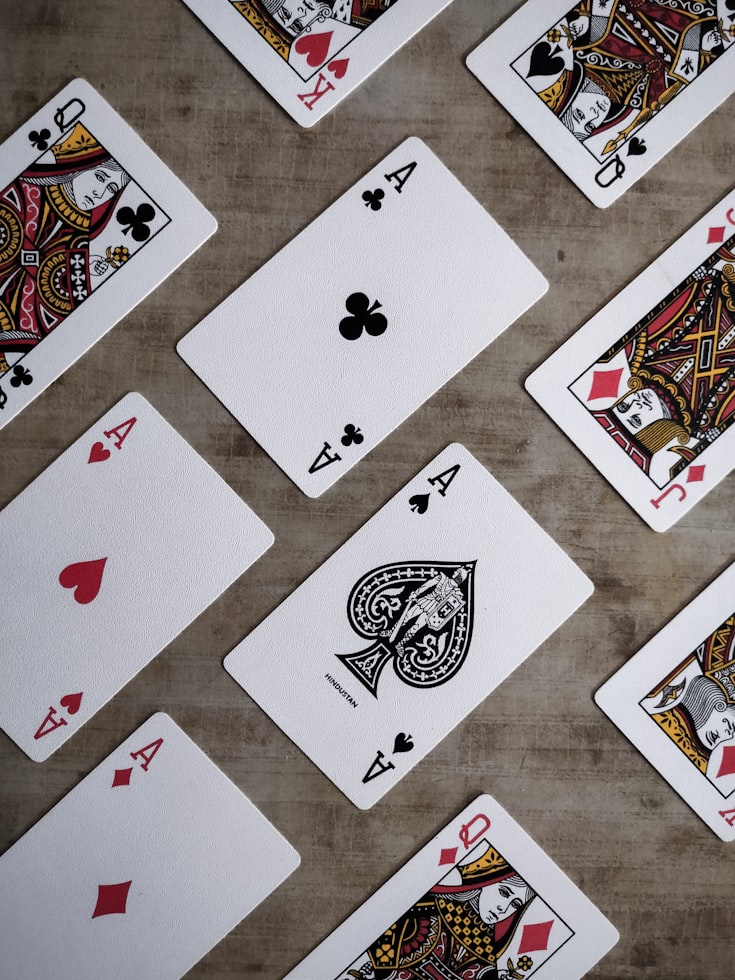
In essence, while luck may influence single outcomes in gambling, a solid grasp of probability and odds can lead to more informed choices. This can reduce the element of chance, effectively empowering players to navigate their gambling activities more successfully. Combining luck with informed decision-making creates a balanced approach that can enhance overall success in gambling.
The Psychological Aspect of Gambling
The psychology of gambling plays a significant role in how luck is perceived and utilized by players. Many gamblers develop a ‘lucky charm’ or ritual that they believe enhances their chances of winning. These beliefs, while often unfounded in logic, can foster a sense of comfort and control, making players more engaged in the gaming process. This psychological effect highlights how the perception of luck can influence a gambler’s overall experience, potentially leading to better performance simply by enhancing confidence.
Moreover, the concept of “loss aversion” in psychology suggests that the pain of losing is psychologically more impactful than the pleasure of winning. This phenomenon can influence how gamblers perceive their luck. For example, a player may attribute losses to bad luck while viewing rare wins as a sign of good fortune. This skewed perception can lead to chasing losses, a behavior that often results in worse financial outcomes. Understanding these psychological mechanisms is essential for any gambler who wishes to maintain control over their gameplay.
By recognizing the psychological components of gambling, including how luck is framed within individual experiences, players can develop healthier attitudes towards both winning and losing. This awareness can minimize the temptation to gamble recklessly and focus more on developing strategies that supplement their luck while fostering a balanced approach to gambling.
Strategies to Maximize Winning Potential
While luck undeniably plays a part in gambling, incorporating strategic methods can significantly increase a player’s chances of success. One effective approach is to choose games with favorable odds and lower house edges. For instance, table games like blackjack and poker often offer better statistical outcomes for players compared to slot machines, where luck is amplified by the built-in odds favoring the casino. Understanding game mechanics, rules, and strategies can shift the balance, turning an element of chance into a more controlled gaming experience.
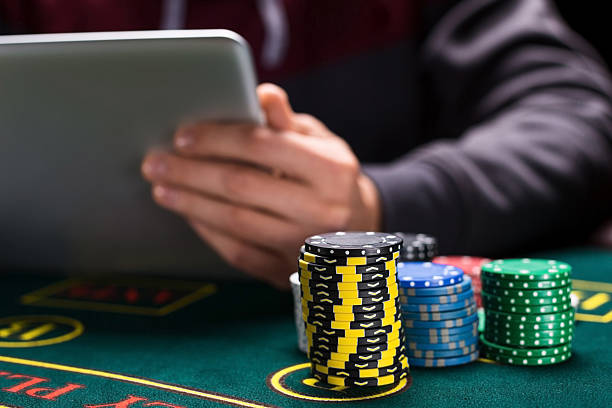
Another strategy is to set strict limits on both wins and losses. By establishing a budget and sticking to it, players can avoid the pitfalls of chasing losses and the emotional highs and lows that often accompany gambling. This approach aligns one’s luck with their strategy, creating a more enjoyable and sustainable gambling experience. Additionally, taking breaks and stepping away from the table can provide critical perspective and help maintain focus on the overall gaming strategy rather than getting caught up in fleeting fortunate moments.
Lastly, continuous learning and adaptation can further enhance a player’s success. As gambling environments evolve, so do the strategies needed to succeed. Engaging in forums, reading books, or even practicing with free versions of games can help players refine their skills and knowledge. By blending a strategic mindset with the element of luck, individuals can significantly improve their overall gambling experience and increase their chances of achieving success.
Conclusion and Final Thoughts
In conclusion, luck does have its place in the world of gambling, but it should not be viewed as the sole determinant of success. While fortunate outcomes can be thrilling, they are coupled with the necessity of understanding odds, psychology, and strategy. This holistic approach can transform the experience from one dictated by chance to one that combines luck with informed decision-making.
For anyone interested in gambling, understanding these multifaceted dynamics is essential. By acknowledging the role of luck while also investing time in learning the intricacies of games, players can craft a more controlled and potentially successful gambling journey. Emphasizing skill development alongside the acceptance of chance can establish a balanced perspective that enhances overall enjoyment.
Ultimately, luck may be that elusive spark that can ignite a winning streak, yet without the foundation of knowledge and strategy, it’s akin to dancing in the dark. Embrace the unpredictable nature of luck, but never underestimate the power of preparation and research in paving the way to success in gambling.