Greening of the Hardwoods

I found a new area for hiking west of Madison and I am thrilled with my new tramping grounds. There is a rolling long field, overgrown with wild things, and currently covered with yellow rocket in full bloom. I know the plant is considered an invasive pest, but it was a rather pretty sight nonetheless.
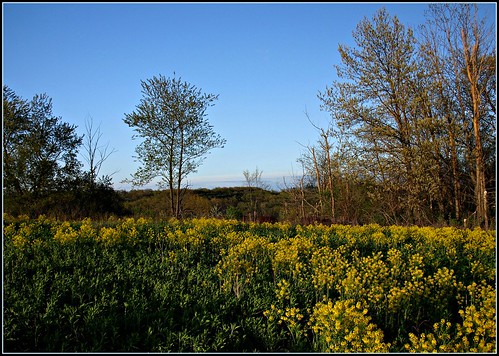
Yellow Rocket Field

On either side of the open land are woodlands, mostly Maple, Ash, White Oak, though quite a few Elm, and a large stand of Shagbark Hickories. The trees are just greening, as evidenced by these photos of their unfurling leaves.
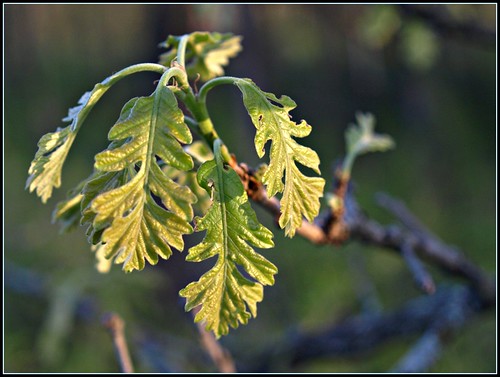
Unfurling White Oak Leaves

This White Oak grows in eastern and central North America, 100 feet, sometimes up to 150 feet tall. This is one enormous, mind-boggling tree.
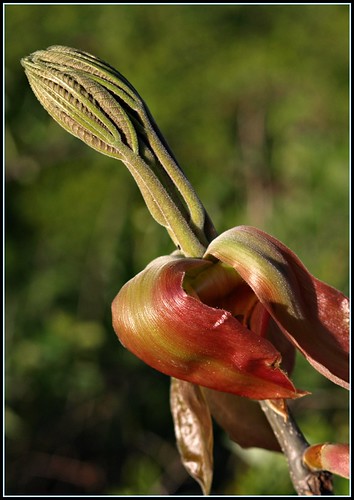
Shag Hickory, Unfurling

I love the unfurling of the Shagbark Hickory leaves. Take a close look at the marvelous structure of the tree and her leaves at this stage. The hickory is my favorite tree – the bark is a spactacular show of evolutionary wit. After the tree has matured-30 to 40 years-the bark begins to peel off in shaggy, curly strips. This presents a sharply angled obstacle course for the squirrels who come to feast and ‘squirrel’ away the acorn nuts.
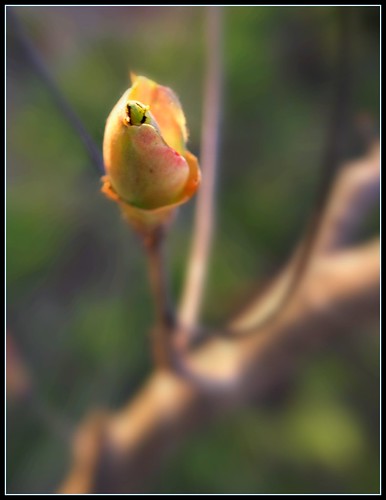
Bursting Forth from an Ash

And here is a leaf from a younger ash tree, just beginning to open-looks quite like a leafy green rosebud

I recognized dozens of different wildflowers, many in bloom – I probably saw a thousand Jack in the Pulpits. I’ve never seen so many in one place before, plus there was a carpet of Hepatica (Bloodroot) dropping down and across a large ravine, though not yet in bloom, and seas of Mayapples, their little umbrellas now fully extended. I’ll put the photos of the flowers in the next post. But now, I may just go take another short hike before the weather cools.
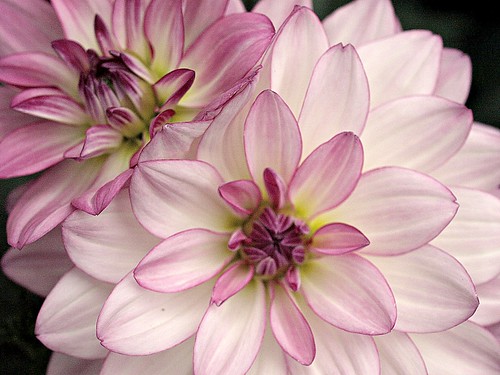
Only Two Ways

Double Dahlia II

There are only two ways to live your life. One is as though nothing is a miracle. The other is as though everything is a miracle.
~ Albert Einstein

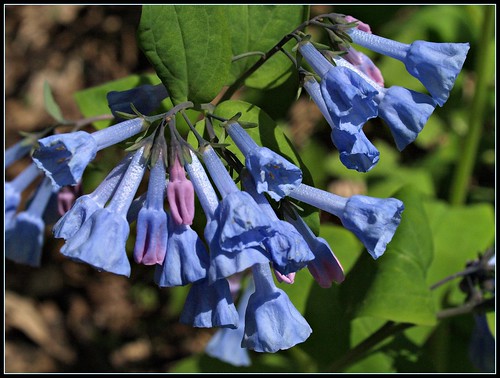
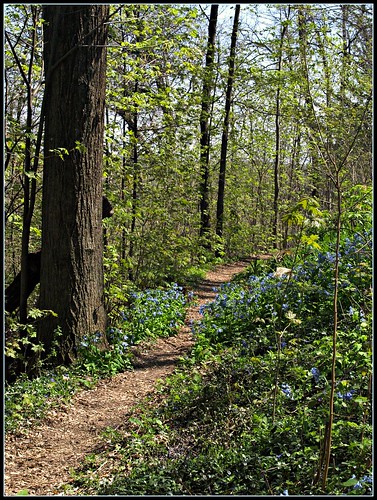
A Bluebell Walk in the Woods

Ephemeral Wildflowers by Woodland Path

This path is lined with masses of Virginia Bluebells, and provides a spectacular show when in full bloom. This is especially true in the Midwest where the plant seems happiest, even though it bears the name of Virginia.

It grows in moist and nutrient rich hardwood forests, not only in Wisconsin, but in the northern and eastern quarter of the United States and in southern Ontario.

Virginia Bluebells in Wisconsin

Virginia Bluebells are fairly large, tall plants that bear clusters of showy, trumpet flower clusters. The flower buds begin tinted a delicate pale pink and then deepen to a medium blue when in full flower. They aren’t as ephemeral as the earlier woodland wildflowers, and stay in bloom several weeks. The entire plant does disappear from the forest floor, though, by mid summer.

This species of bluebell was used medicinally by Native American cultures, usually made into a strong tea for the treatment of consumption and whooping cough, and was also used as a general tonic.

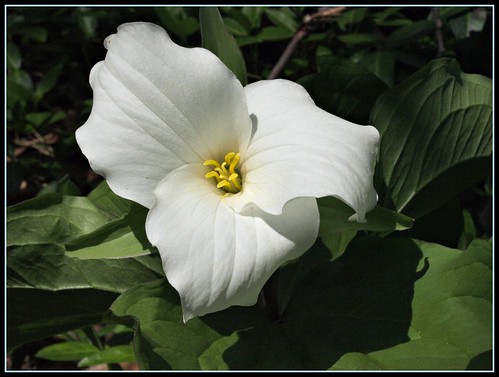
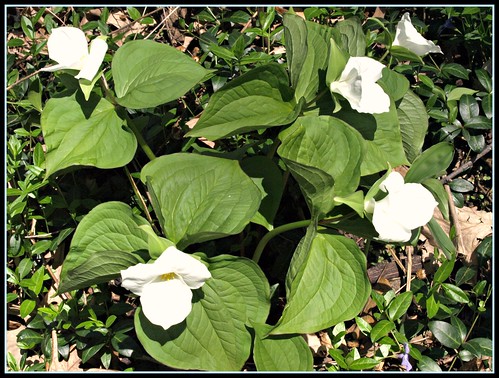
Trillium, The Giant Woodland Beauty

Large-flowered Trillium

The Grandiflora or Large-leaved Trillium is my favorite Spring woodland wildflower. Not common, but it is easy to spy when you come across a plant. Each specimen can grow up to 18 inches high and each flower is about 3 inches wide.

Grandiflora White Trillium

This is definitely one wildflower that should never be picked or transplanted in the wild. If the leaves are disturbed, the plant often dies, as this is the plant’s food source. In many states, it is illegal to disturb flowers in the Trillium family. The plant can be grown by seed, but it takes approximately 5 to 7 years to bloom.

Wildflower Bonanza

Over the weekend, I spent quite a few hours hiking in area hardwood forests. I took these photographs in Owen Conservation Park in Madison. The ephemeral spring flowers, the ones growing on the forest floor under the trees not yet leafed out, are putting on a big show, though about 3 to 4 weeks later than typical.

Cut-leaved Toothwort

The Cut-leaved Toothwort is one of these ephemeral wildflower; it blooms in the Eastern hardwood forests before the trees’ leaves shade the forest earth. The crisp roots of this plant are said to taste like watercress.

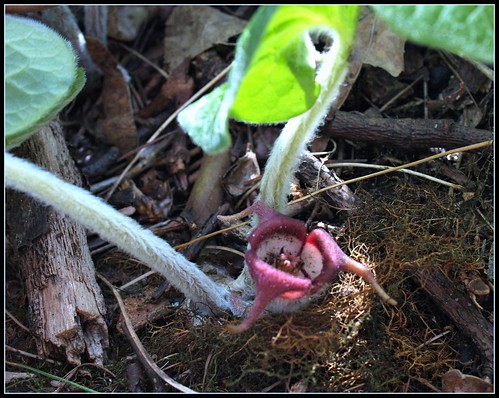
Wild Ginger Wildflower

Wild Ginger blooms spring-early summer in the Northern tier of states from Minnesota to New England. It is hard to see because it lies on the ground at the stalk of the flower and blends in with the earth – this is the first one I have found, though I think they are considered somewhat common. The roots have a fragrance and flavor of ginger, and once were used as a flavoring and to treat colds and coughs.

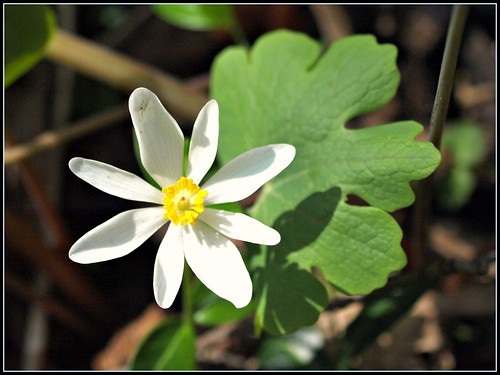
Bloodroot

The Bloodroot is finally in bloom in the woodlands. The flower is found near the ground, and I moved a huge umbrella of the plant’s foliage to take its photo. I have always seen this bloom in early April and usually the petals of the bloodroot are broader than those seen in this photo. Guess this guy was on a diet! (or maybe he had too much snow!)

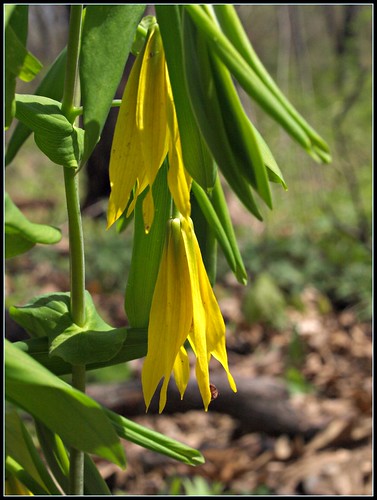
Large-flowered Bellwort

The Large-flowered Bellwort has flowers that never really open, they just hang like this. I found huge clumps of these in the ravines of the sun-drenched forest. It grows in the eastern half of Canada and the United States, except for Florida, though it is on a few states’ endangered species lists.

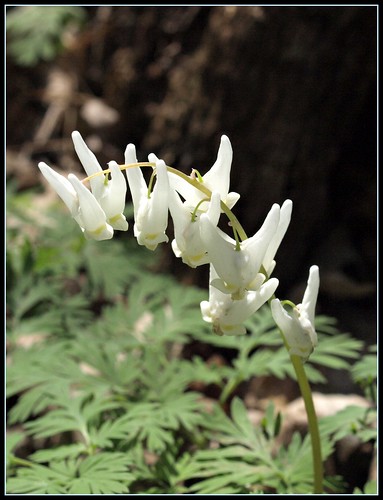
Dutchman's Breeches

I found scads of these Dutchman’s Breeches in the same ravines with the Bellwort and also there were lots of Periwinkles and a few trillium just opening. I love this plant’s name – they do look like a little clothesline of britches for a dozen little men. Folklore says the flower was used in love potions and spells. One of its other names is Little Blue Staggers because it caused cows to stagger in a “drunken’ state when they grazed on too much of the plant as it is toxic. Breeches are found in the eastern half of the US, except for the far south.

Finally – a great weekend, if I minus out the tornado warnings on Friday night, for wildflower catching-up.