Taliesin – Frank Lloyd Wright’s Home

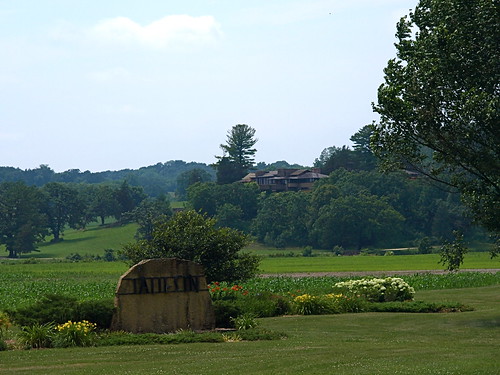
https://www.grupoursa.com/brokers/ View of Taliesin in the distance and the surrounding countryside.

Red Taliesin Bus

https://hymnsandhome.com/disclosure-statement/ Red Taliesin Bus © 2008 Bo Mackison

https://www.wjsmithconstruction.com/general-contractors-greenville-nc/ Jump on this bright red bus, Frank Lloyd Wright’s favorite color, BTW, and it takes you to Taliesin, Wright’s home in Spring Green, Wisconsin. This hillside was Wright’s favorite spot as a child when he lived and worked on his uncles’ farms – he would come here to hide and escape his chores. When he was an adult, his mother bought the property as a bribe to get her son to return to Wisconsin from a long stay in Europe. The bribe worked and FLW returned and built his home there.
Taliesin Apartments

source link Taliesin Apartments © 2008 Bo Mackison

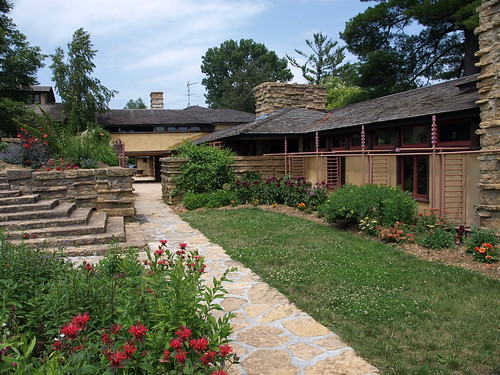
Order Valium Without Prescription These are the interior gardens; the main house in behind the camera. The long row structure to the right was originally a long string of barns for the family’s animals. They are now apartments for the architectural students studying Prairie Architecture at the school housed nearby.

Taliesin

source url Taliesin © 2008 Bo Mackison

click here Wright designed his buildings so that there was not a direct route to the entrance. He wanted you to “have an adventure” before you even stepped into the interior. In the case of Taliesin, one has to go through the garden, around the string of student apartments, and then past his studio, to find the front door. The windows to the left are in the main room of the house, one of the first “great rooms” – a combined living room, dining room, study.

Taliesin's Interior Gardens

https://rmscherubimhealthcare.com/contact/ Taliesin’s Interior Gardens © 2008 Bo Mackison

https://drbatayneh.com/glaucoma/ A view of the garden. Wright bought innumerable Asian artifacts to Taliesin, and decorated the interior and exterior with these treasures. No photos of the interior were allowed, though the home tour was in depth and included all of Wright’s living areas and studio. Filled with wonderful Wright designed furnishings, Oriental rugs and Asian art.

Order Xanax No Prescription Spring Green is about 30 miles west of Madison and Taliesin is truly a national treasure, worth the visit if anywhere in the area.
What’s Blooming in the Prairie?

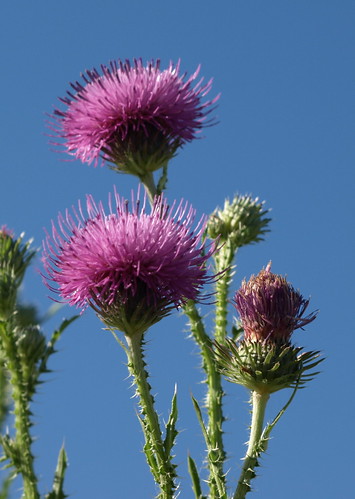
Thistles in the Blue

go site Thistles in the Blue © 2008 Bo Mackison

Ambien Without Prescription enter site Thistle, prickly to the hand and quite noxious to other plants as it tends to take over and monopolize the land to the detriment of other plants. The name “thistle” is an Anglo-Saxon word meaning “to stab” – the plant is appropriately named, full of thorn set as a defense against crawling creatures after the flowers’ extremely sweet nectar. Birds and butterflies can easily approach though, and goldfinches are especially fond of both the seed as food and the down as nesting material.

https://bettierose.co.uk/contact/ follow site Butterfly Weed, as the name implies, is an irresistible plant for butterflies. The huge domes make lovely landing pads and dining palaces for many adult butterflies and the foliage feeds the larvae of the monarchs. It is the orange member of the milkweed family.

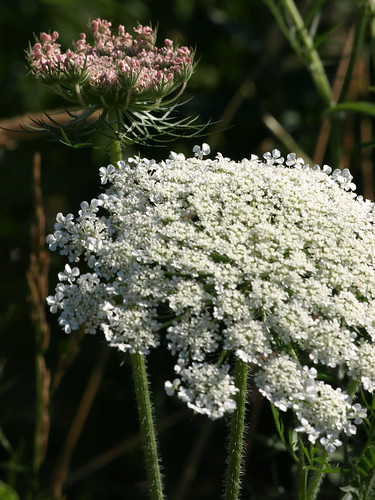
Queen Anne's Lace

Queen Anne’s Lace © 2008 Bo Mackison

https://www.beyondagencyprofits.com/contact/ Queen Anne’s Lace, also called source link Wild Carrot. Its leaves, stem and root taste and smell like the garden carrot, its taproot can be eaten as a vegetable or roasted as a “coffee”. And legend says that if the “flowers of the lace are mixed in sweet red wine and drunk long into the evening” it acts not only as a love potion, but also as a contraceptive. Can’t speak for or against that lore.

Milkweed

Milkweed © 2008 Bo Mackison

The see url Common Milkweed might as well be called the https://www.completerehabsolutions.com/wheelchair-assessments/ Monarch Butterfly Plant, as it is essential to all stages of that butterfly’s existence. They lay their eggs on the plant; the caterpillars spend their entire lives feeding on the leaves. Once mature, they build their chrysalises on the undersides of the leaves, and when the butterflies emerge from their cocoons, they feed on the flowers. The plant also provides protection to the Monarchs as the sap the caterpillars feed on is distasteful and keeps away predatory birds.

If You Built a $50,000 Home in 1890…

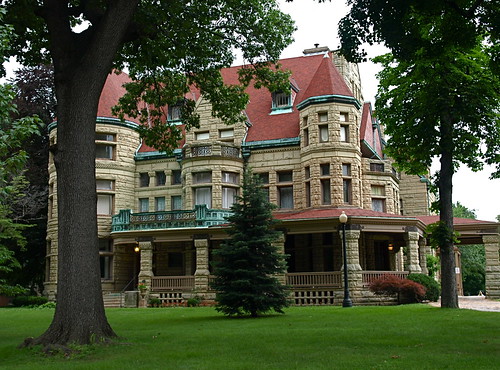
Quincy Museum

Quincy Museum © 2008 Bo Mackison

The Charles and Anna Newcomb Residence was built on Maine Street in Quincy Illinois in 1890-91. The home had 33 rooms and 13 fireplaces. And it’s construction cost was $50,000.

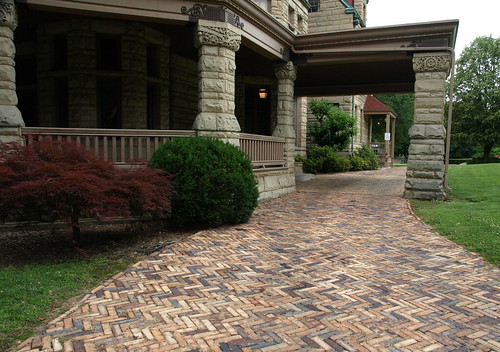
Newcomb House and Driveway

Newcomb House and Driveway © 2008 Bo Mackison

The building was owned by Quincy College for several decades – known as Stillwell Hall – and was used as a residence for male students. My great grandmother was a housemother and cook for “her boys” for several years in the 1940s.

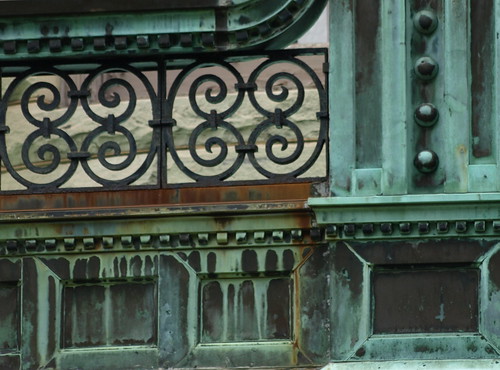
Architectural Detail

Architectural Detail © 2008 Bo Mackison

The building now houses the Quincy Museum.  A complete description of the building and its interior includes a listing of the current museum offerings.

Opening in the Sun

Purple Cornflower Beginning Its Bloom

Purple Cornflower Beginning © 2008 Bo Mackison

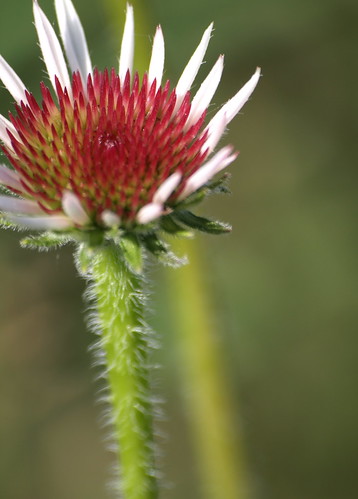
A pale purple coneflower just beginning to open.

This plant is common in Wisconsin and found in dry prairies and open savannas from Nebraska and Iowa east to Arkansas and Indiana. Farther east, it is seen occasionally usually an escape from cultivation. Illegal digging represents a major threat to this plant in some regions.

Funhouse Mirror?

Funhouse Mirror?

Funhouse Mirror? © 2008 Bo Mackison

Like Abbott and Costello?