Afraid of Spiders? Beware!

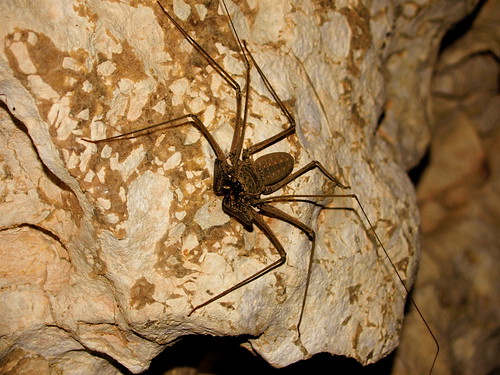
click here This is actually a scorpion, not an itsy-bitsy spider. I discovered (surprise!) this monstrous guy while exploring a cave deep in a rain forest in Belize. Once it was determined he was quite harmless (gulp! – sure he was!) I aimed my lens at the scorpion from 6 inches away. Alas I only had my zoom lens – wish I’d had my macro. Now that might have been a great photo.

Xanax Buy Without Prescription This arachnoid-friendly cave is a Mayan archeological site. Scientists have found artifacts from the Mayan Empire dating from 1000 A.D., evidence the cave was used for ceremonial and religious purposes. (You really don’t want to know exactly what kind of ceremonies, do you?)
At the Edge of the Rainforest

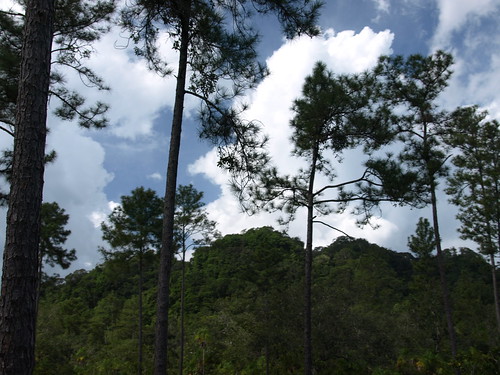
Tramadol Online Purchase Edge of Rainforest © 2008 Bo Mackison

Order Ultram Online Twenty miles south of Belize City, Belize, there exist ancient rain forests. At the edge of the forest, there are well spread out fir trees. A bit of the rain forest – think, tangled, jungly – is farther ahead, mounding in the distance, beckoning explorers to discover its mysteries.

source link The sun shone brightly as we entered the rain forest, but deeper within, it was quite dark in places, and the plants and trees were dripping from recent, steady rainfall. We were on a thick, muddy, and very narrow road where ruts were easily 6 inches deep and travel offered its own set of adventures.

Tramadol Online Purchase With over 12 feet of annual rainfall, the highlands of the rain forest mountains provide the watershed to the lowlands through rivers and run-offs. Animals also frequent these water areas including jaguars, peccaries (wild boars) and ocelots. Other rain forest creatures are iguanas, black howler monkeys and 500 species of birds including the cinnamon hummingbirds and toucans. Many of the rain forest inhabitants are endangered.

Coconuts for Sale

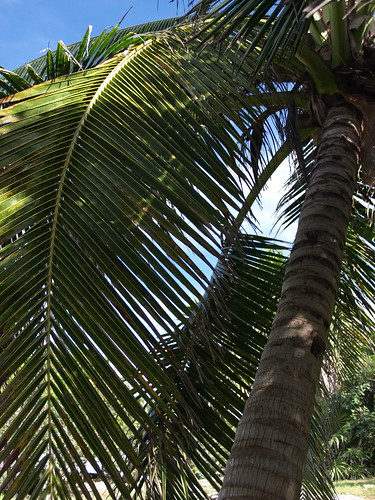
Buy Ambien Online Without Prescription Palm Trees © 2008 Bo Mackison

Palm trees offer such a magnificence of wonder: the horizontally striped bark; the giant fronds, dipping towards the earth; a peek-through of the sapphire sky through deep green slivers of windows; a shady spot to sip coconut milk from the real thing, if you’re lucky enough to find a guy willing to haggle a bit over the price of the coconut.

“Twenty bucks for a coconut? What? No way?” That’s more than half my spending money for the day, and I’m feeding two kids plus me. Then I feel guilty; I have so much. But at the same time, I sure didn’t have that much in my pocket. I found a boy selling his fruit for eight bucks which still seemed expensive, but a better deal nonetheless. I couldn’t resist the experience. And even if I did overpay, I still go home to luxury and money enough for what I need plus a lot more. Handing those dollars to this sweaty kid sure seemed like a good enough reason to drink the luscious milk of a just-picked coconut at least once in your life. Ah, the real thing was quite grand.

Photograph taken and coconut eaten at Tulum, Mexico on the Yucatan Peninsula. January 1, 2008.

Cruising with a Goddess

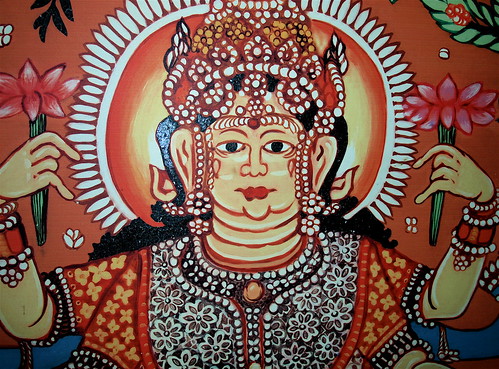
Ivory Bar Goddess © 2008 Bo Mackison

Who decorates these cruise ships, anyway? I admit some areas in the ship are wonderful, but here is a photograph of the ‘Ivory Bar’ goddess. Hmm. First there are white plastic 6-foot-tall elephant tusks along the walls and now I see colorful murals on all flat surfaces of, uh, I think they’re goddesses of some sort. I never was any good at mythology.

I love the painting itself, but it is in an interesting location.Had to share. She is rather fun.

Temple of the Columns

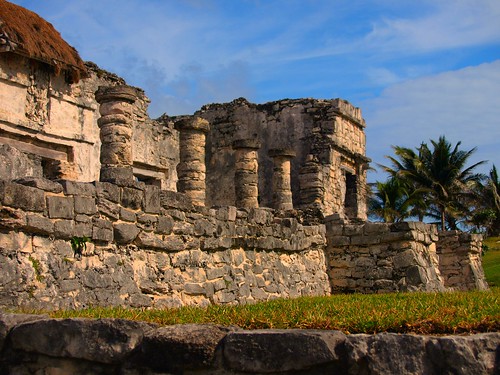
Mayan Ruins © 2008 Bo Mackison

The Mayan ruins at Tulum, Mexico.

The House of the Columns is more complex than most structures at the site. It’s a palace-like structure with four rooms whose principal entrance faces South. Six columns support the roof of the main room and there’s also a roofed sanctuary with altars. Mayans did perform live human sacrifices to their gods with willing volunteers. (Anyone up for a nice volunteer job?)

All of Tulum’s buildings were open to the public until 9 years ago. They were closed at that time due to problems with graffiti despoilation on the interior walls done by stupid people.

These renowned archeological sites were constructed in the classic era between 650 AD and 1450 AD; most of the remaining structures are dated from 1250 to 1450 AD. Until the 16th century, they were inhabited towns. Then the Europeans came. The Spanish conquered the Mayans in 1518, bringing to the Mayans devastating Old World diseases. By 1521, the Mayans had abruptly abandoned their way of life in Tulum and other sites in Mexico, and they disappeared in a short period of time.