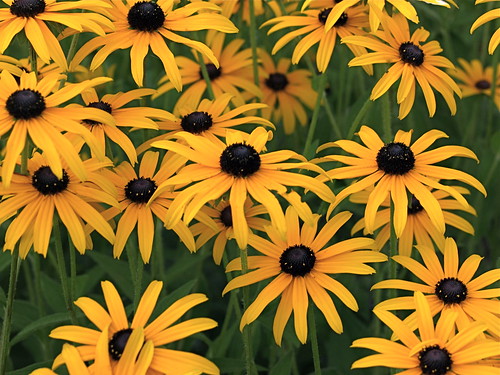
Black-Eyed Susans

Balloonflower

Black-Eyed Susans © 2008

Many things grow in the garden that were never sown there.  ~ Thomas Fuller, Gnomologia, 1732

I think Thomas Fuller made a very true observation.

Since it is raining, with some much needed rain, thought I would post some sweet Susans from my backyard garden. A touch of sunshine in these ladies, no matter how inclement the weather.
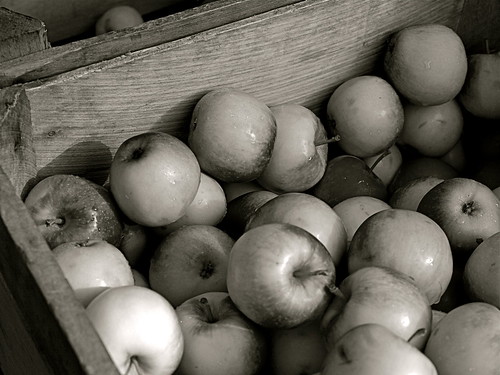
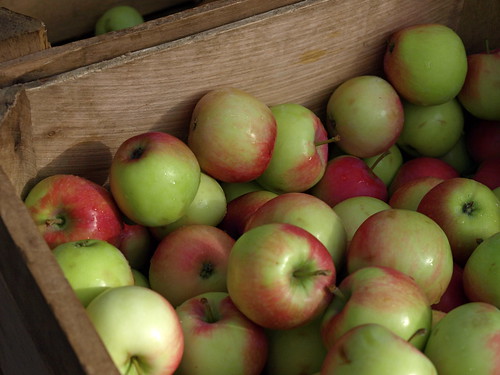
Early Apples in a Crate

Crate of Apples

Crate of Apples © 2008 Bo Mackison

It seems early for apples, but the first organic fruits are taking their places in the area farmers’ markets. These are on the smaller side, but so juicy and sweet. I liked the simple fruit framed in the crate and tried it in black and white.

Early Apples

Early Apples © 2008 Bo Mackison

But I like the photo is a soft color, too. Sometimes it’s fun to just play with a photograph and see all the different techniques that speak in different ways.

In the Pink

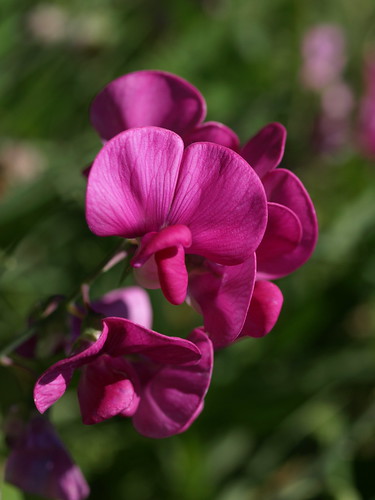
Everlasting Pea

Everlasting Pea © 2008 Bo Mackison

This wildflower was blooming in abundance in the meadows on Washington Island. It is referred to as the “everlasting” pea because of its long flowering season – mid June through the end of September. The plant has a fruit which looks like the cultivated garden pea pod, though it is inedible. The showy flowers attract butterflies and sphinx moths for pollination.

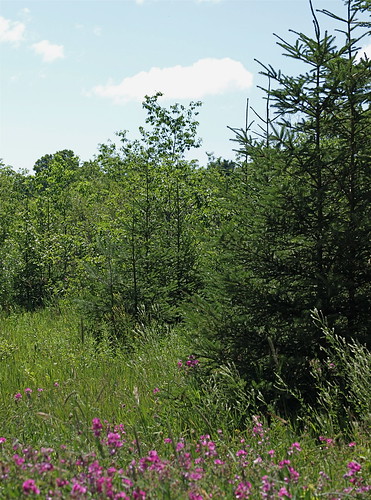
Meadow on Washington Island

Meadow on Washington Island © 2008 Bo Mackison

Washington Island, only 22 square miles, is sparsely populated. The island is 6 miles off the northern tip of Door County and it is hailed as “North of the Tension Line.” In this meadow, one of many wide open spaces on the island, the pea was prevalent; elsewhere there were stands of Queen Anne’s Lace and orange Day Lilies.

Day Lily on Fire

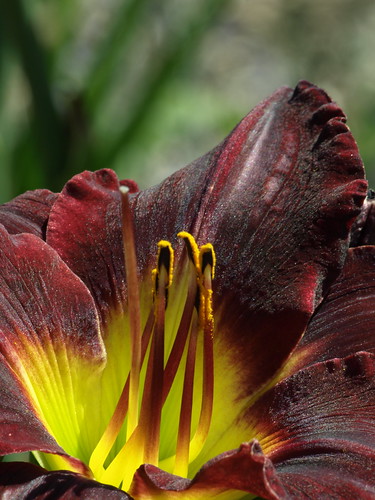
Red Day Lily

Red Day Lily © 2008 Bo Mackison

Doesn’t it look like it is aflame – such intensity in that yellow. Nearly glowing.

Flowering in the Garden

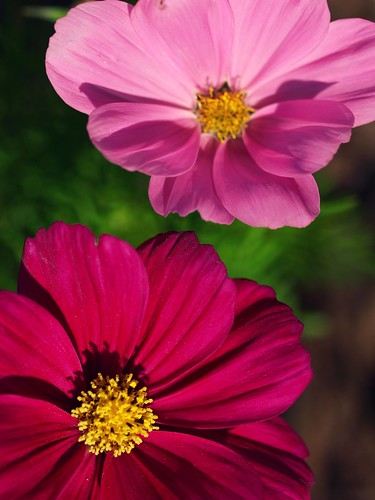
Crazy for Cosmos

Crazy for Cosmos © 2008 Bo Mackison

Cosmos is an annual plant in my Wisconsin garden. Cosmos were grown by Spanish missionary priests in their gardens in Mexico. The “orderly” plant inspired them to name it “Cosmos” which is the Greek name for harmony or the ordered universe.

Cosmos was originally found in Mexico and South America, but now is cultivated all over the United States. This is one easy plant to grow. It tolerates poor soil, harsh weather and neglect, though I try not to take advantage of its easy going nature. It even self seeds in the autumn, and comes back for more the next year.

Coreopsis

Coreopsis © 2008 Bo Mackison

Yellow Coreopsis is one of my most prolific flowering plant, in bloom from late May through frost. Its common name is Tickweed because it’s seeds look like tiny insects, but it is more common to call this flower by its scientific name. It tolerates pretty poor growing conditions, and really thrives when cared for properly.

Aster

Ice Plants © 2008 Bo Mackison

These flowers are new to my garden, an Ice Plant. They are hardy, sun-worshippers that began their bloom in mid July and will keep the garden in a profusion of bright purples until frost.