Canyon de Chelly – A Photo Essay

Canyon de Chelley

Canyon de Chelly © 2010 Bo Mackison

Canyon de Chelley National Monument is located in northeastern Arizona near the town of Chinle. There are over 2700 archeological structures and cliff dwellings in this area, though only a few have been made structurally sound to allow visitors. Only one trail is open to the general public, but there are numerous guides available for further explorations in the monument.
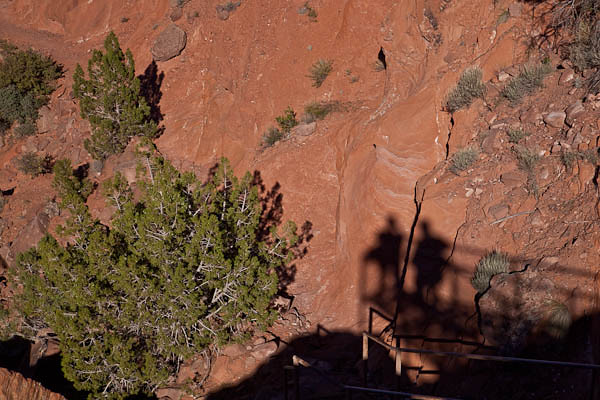
Shadow Photographers at Canyon de Chelley

Shadow Photographers at Canyon de Chelly © 2010 Bo Mackison

We had only a couple of hours to explore , and we did so from the Rim Road probably the most popular way to see the Monument, though truly one sees only a fraction of the Canyons from this vantage point. The next time I visit Canyon de Chelley, I will plan enough time to employ a native guide and truly see the wonders of this remarkable area.
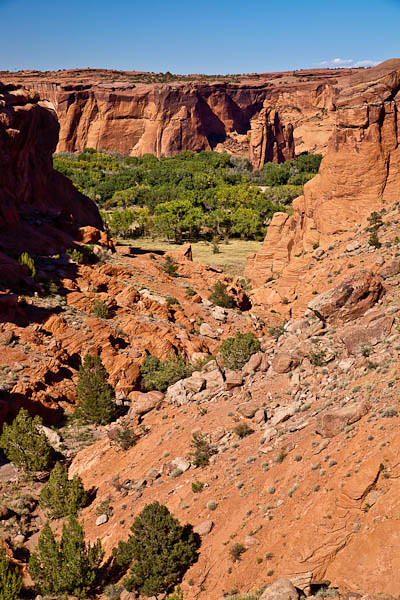
Canyon de Chelley

Canyon de Chelly National Monument © 2010 Bo Mackison

This photo was taken from a trail off the South Rim Drive at Tunnel Lookout. Just barely visible is the bottom of the canyon with trees and a grassy pasture. Canyon de Chelly is unique among all the National Park units in that it is entirely in the Navajo Tribal Trust Land. The National Park Service has a partnership with the Navajo Nation to manage park resources and approximately forty Navajo families live within the boundaries of the National Monument.

Canyon de Chelley Landscape

Canyon de Chelly Landscape © 2010 Bo Mackison

The monument encompasses approximately 84,000 acres of lands located entirely on the Navajo Nation. The monument covers 131 square miles and encompasses the floors and rims of the three major canyons — Canyon de Chelly, Canyon del Muerto, and Monument Canyon. It is a vast area. See the tiny specks of blue in the photograph – two visitors at the lookout from which I had earlier taken the above photographs.

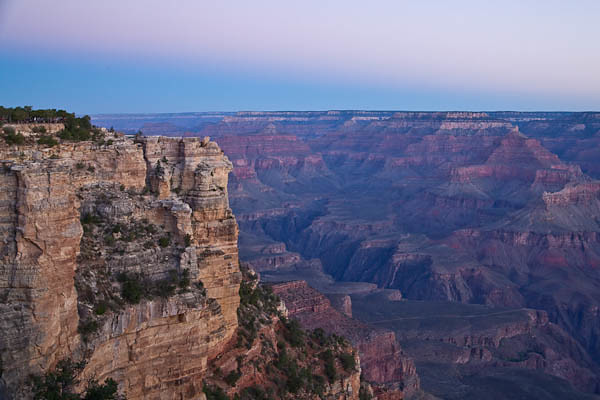
Here Comes the Sun – Sunrise at the Grand Canyon

A tribute to the winter solstice, with heartfelt joy that each day will now start a bit sooner, last a bit longer.

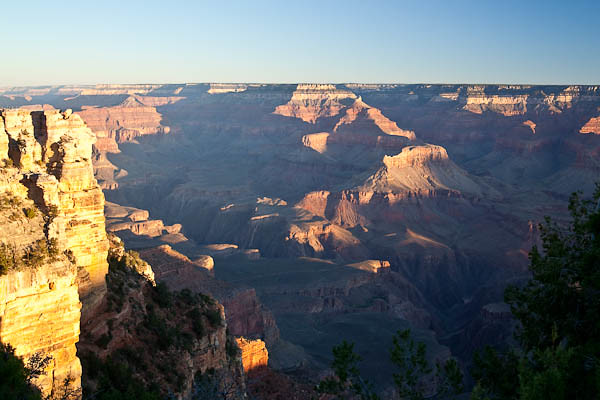
Sunrise at the Grand Canyon:

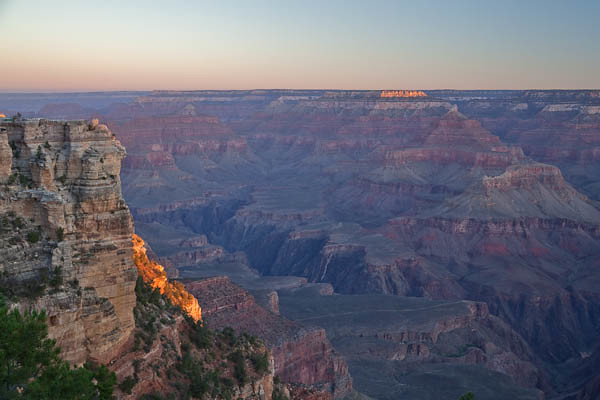
Grand Canyon Sunrise 7:55 AM

Grand Canyon Sunrise 7:55 AM © 2010 Bo Mackison

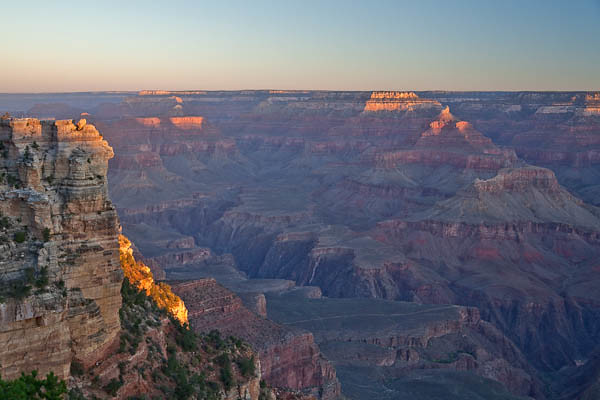
Grand Canyon Sunrise 8:05 AM

Grand Canyon Sunrise 8:05 AM © 2010 Bo Mackison

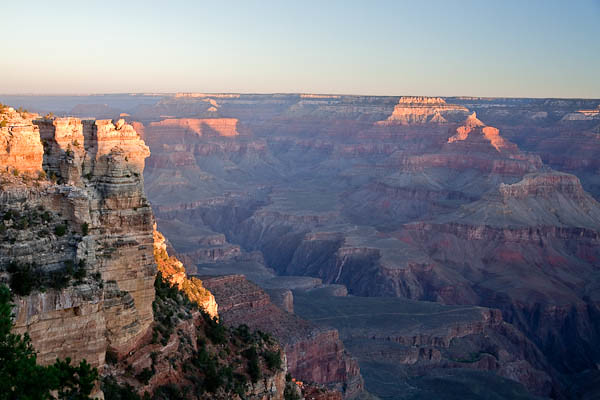
Grand Canyon Sunrise 8:19 AM

Grand Canyon Sunrise 8:19 AM © 2010 Bo Mackison

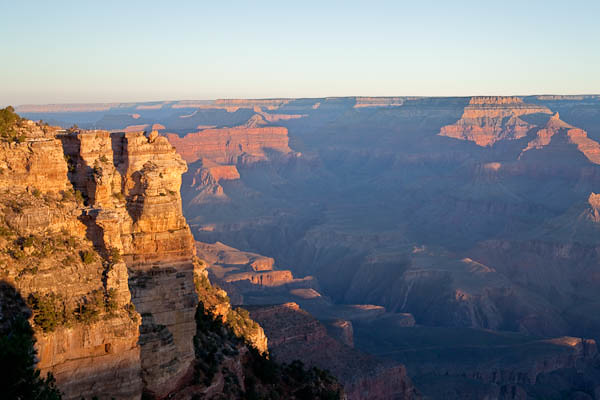
Grand Canyon Sunrise 8:23 AM

Grand Canyon Sunrise 8:23 AM © 2010 Bo Mackison

Grand Canyon Sunrise 8:24 AM

Grand Canyon Sunrise 8:24 AM © 2010 Bo Mackison

Grand Canyon Sunrise 8:29 AM

Grand Canyon Sunrise 8:29 AM © 2010 Bo Mackison

Grand Canyon Sunrise 8:33 AM

Grand Canyon Sunrise 8:33 AM © 2010 Bo Mackison

The wonder of it, the wonder of the sunrise. Each morning, one of the grandest shows on earth, available for your viewing pleasure. Weather permitting.

A Few Views from Zion National Park

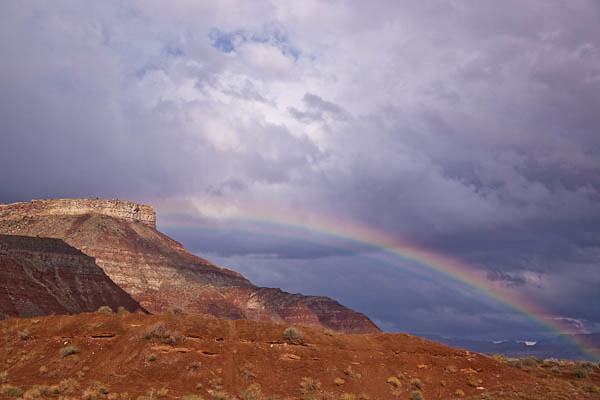
Red Rock and Rainbow

Red Rock and Rainbow © 2010 Bo Mackison

After our visit to Cedar Break National Monument, we traveled a couple of hours south to Zion National Park. We saw a rainbow as a passing storm system heading away from us.

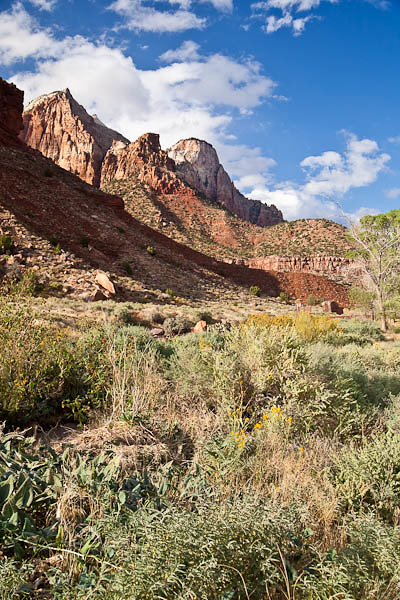
Hiking in Zion

Hiking in Zion © 2010 Bo Mackison

With the elevations in Zion ranging from 3,600 to over 8,700 feet, the park is home to many habitat communities.  There are species from the Colorado Plateau, Basin and Range, and the Mojave Desert, and these all blend to create a place for more than 900 species of plants, from riparian (river) plants to desert plants.

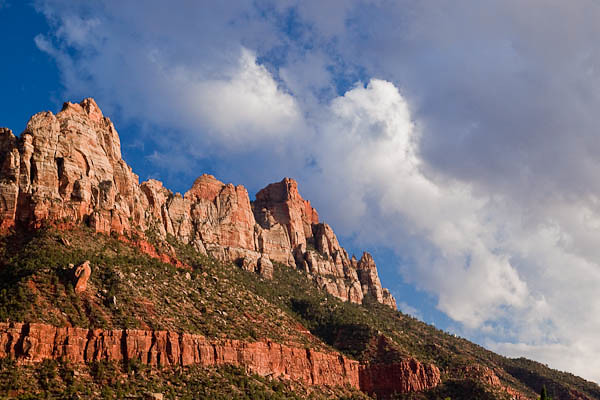
Sunset Glow, Incoming Storm

Sunset Glow © 2010 Bo Mackison

Zion National Park is on the edge of the Colorado Plateau. The many layers of rock have been pushed upward and tilted to form a geological feature called Escalante, or the Grand Staircase. This amazing line of cliffs stretches from Bryce Canyon to the Grand Canyon. One of the large steps stretches from Bryce Canyon, the bottom step, to Zion, the top step. Another step rises from Zion, the bottom step, to the Grand Canyon, the top of the step.

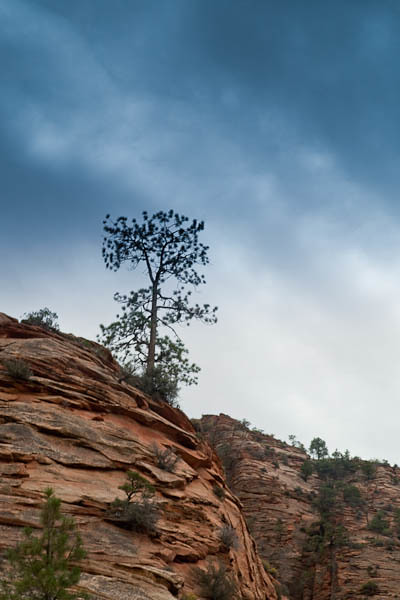
Cliff Tree

Cliff Tree © 2010 Bo Mackison

In 2009, President Obama declared much of Zion as a Natural Wilderness Area. According to Congressional Guidelines, a wilderness area is, in part, defined as:

“A wilderness, in contrast with those areas where man and his own works dominate the landscape, is hereby recognized as an area where the earth and its community of life are untrammeled by man, where man himself is a visitor who does not remain.”

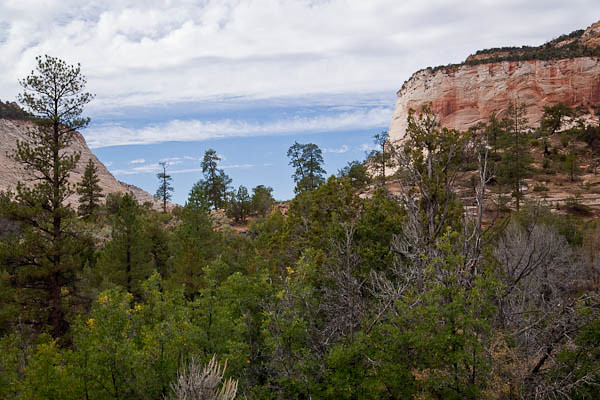
Red Rocks in Zion

 Zion

Zion Scape © 2010 Bo Mackison

A few more photographs of Zion National Park before we leave Utah and head into northern Arizona.

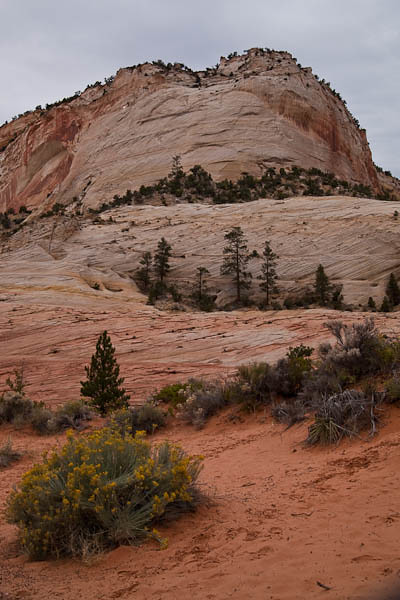
Zion NP

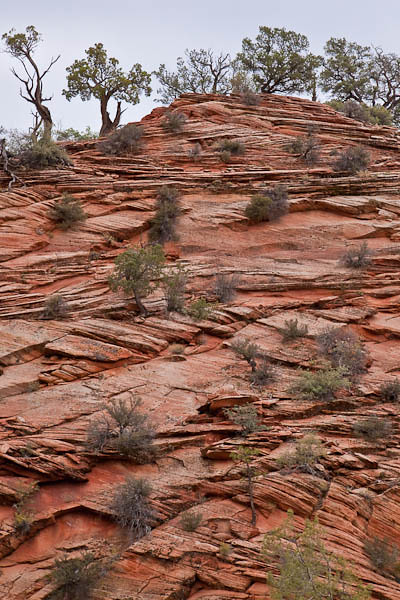
Layers Of Zion Rock © 2010 Bo Mackison

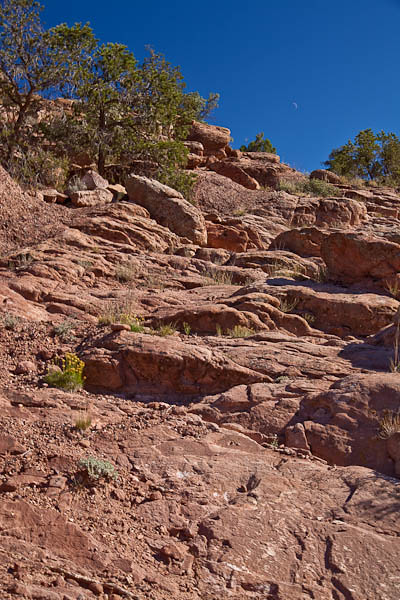
Zion has eight layers of sandstone, some as old as two-hundred-million years. The entire park is covered with red rock, deep winding canyons, desert-scapes, mesas, and buttes making this area in Southern Utah a spectacular vision.

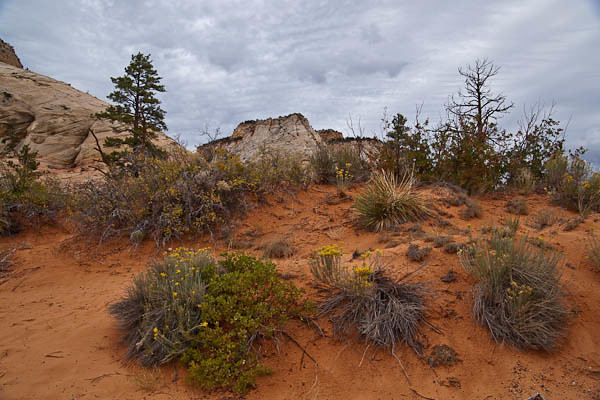
Zion Desert Scape II

Zion Desert Scape © 2010 Bo Mackison

Our weather was overcast, sometimes rainy, sometimes the clouds opened just enough to let a bit of blue peek through, but since we were only in the park one night and one day, we had to enjoy the scenery with the weather as it was.

Zion Red Rock

Summit Trees © 2010 Bo Mackison

I love this line of trees on the ledge of the rocks.

Checkerboard at Zion

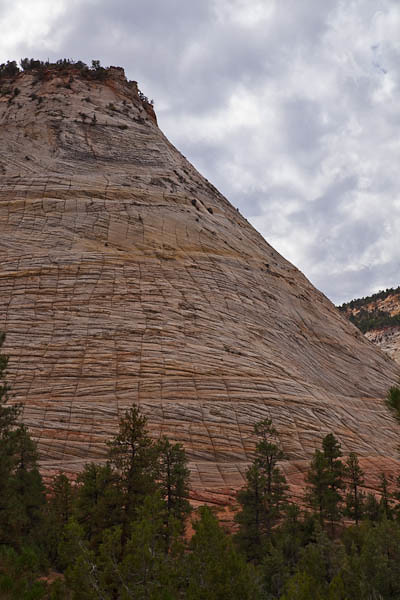
Checkerboard Mesa © 2010 Bo Mackison

Checkerboard Mesa is a mass of orange and brown slickrock. The huge rock towers more than 900 feet above the Zion-Mt Carmel Highway. It gets its name because it has the appearance of a huge checkerboard with vertical and horizontal fissures carved into the rock from top to bottom.

Next: Glen Canyon Dam and NRA.

Cedar Breaks and A Summit Storm

Still in the autumn trip time warp–here we are, October in Utah.

Safely Down the Mountain

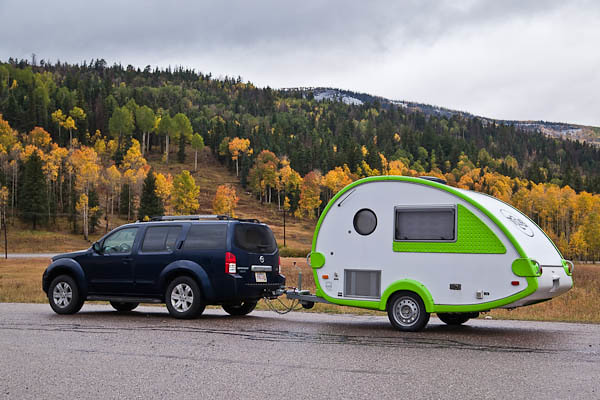
TAB in the Valley © 2010 Bo Mackison

It started out as a simple side trip. We figured it was less than a hundred miles of traveling, and it was off the interstate, and we are always looking for an excuse to get off the interstate. We checked the map. All we had to do was take a scenic route up to Cedar Breaks National Monument and then head to Zion National Park, our evening destination, on the back roads. Ha ha ha!

Remember. These plans were made by Wisconsin folks. We are accustomed to snow, ice, sleet. We know how to drive in that messy stuff. But we aren’t exactly experienced in the ways of MOUNTAINS. And neither Sherpa nor I were prepared for an early October blizzard.

Cedar Breaks National Monument

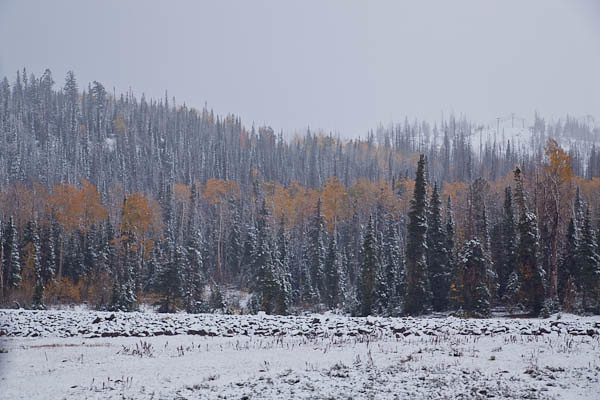
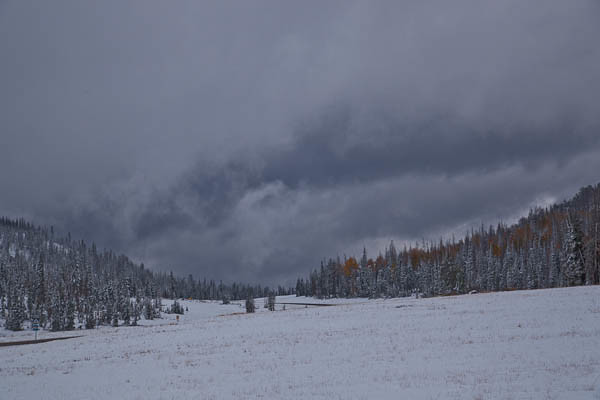
Entering Cedar Breaks in a Snowstorm © 2010 Bo Mackison

At first, the roads stayed fairly clear. A lot of snow came down in a very short time, but we laughed to see how it covered the pines and aspens in white. We had thought we would see fall colors, but we had the added thrill of seeing winter colors on top of autumn colors.

Oh boy. It gets more interesting.

Incoming --Storm!

On the Summit! © 2010 Bo Mackison

We arrived at Cedar Breaks National Monument, and THEN I discovered a small symbol on the map that noted we were on the top of the Colorado Plateau, and at an altitude of over 10,000′.  We were at the park during normal hours of operation, but the Ranger’s office was closed and locked. No one was around. And the storm was getting a little wild. We passed through white-out conditions on the summit, and the roads were now icy enough to cause swerving with the trailer. Hmm.

Sherpa thought we should turn around, but I lobbied hard to keep going. After all, we had passed the summit. That meant we were on our way down, which seemed like the right direction to be headed.

Once we were back on solid roads, I read the park brochure more closely. Seems that Cedar Breaks usually closes once it gets heavy snows, usually somewhere between late October and early December. Well, this was October 5th. The snow came early in 2010.

Just Not Expected in Early October

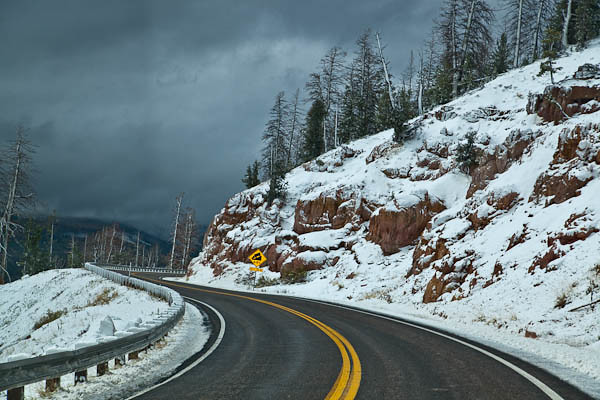
Descending on Icy Roads © 2010 Bo Mackison

Lucky for us, as we headed down the mountain, we turned onto a road that carried more traffic. A snow plow had recently cleared the pavement and so travel became much easier. There still wasn’t much of a view–and I’m still not sure what Cedar Breaks looks like. All of the other mountains were hidden in show clouds, too. But the road was clear enough to continue on safely.

Utah Backroads II

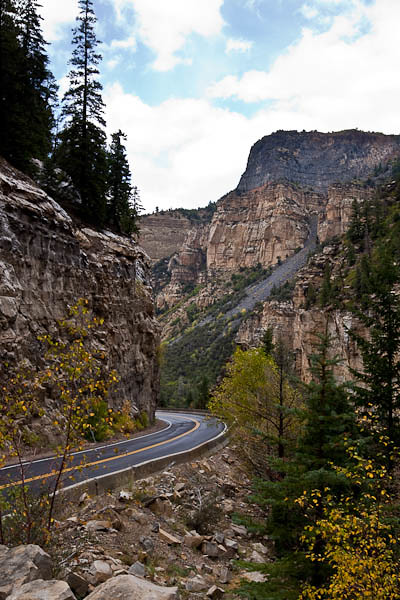
Finally on Nearly Dry Backroads © 2010 Bo Mackison

It wasn’t long before we were down to a more reasonable altitude, and fall weather returned. We happily left winter at Cedar Breaks and headed for Zion National Park, only 75 miles away.

We might have had a little too much excitement on that stretch of the trip. Sherpa said, “No more snow packed mountain roads when I’m pulling the trailer, please.”

I agreed.

Zion is next…